



















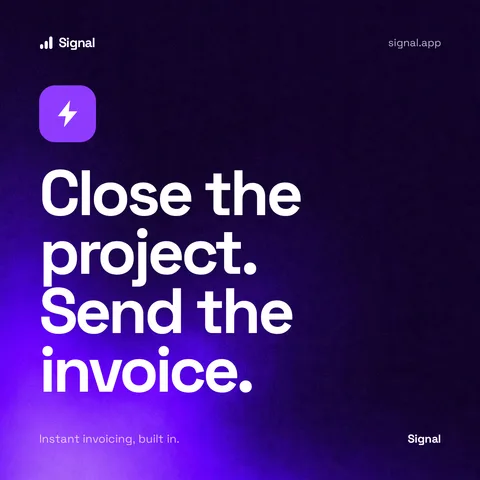







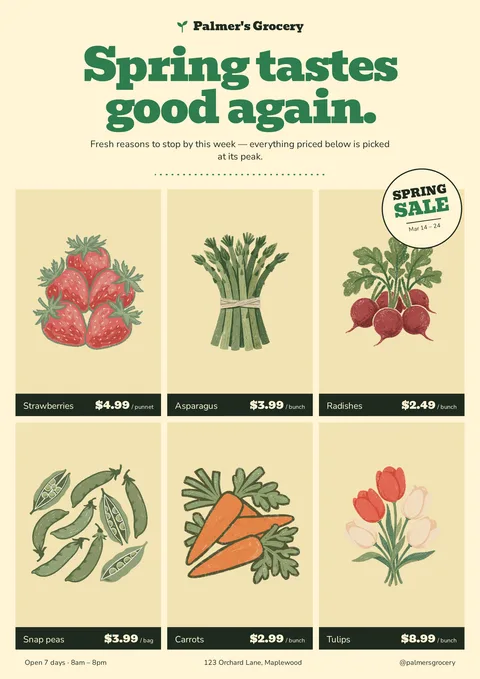
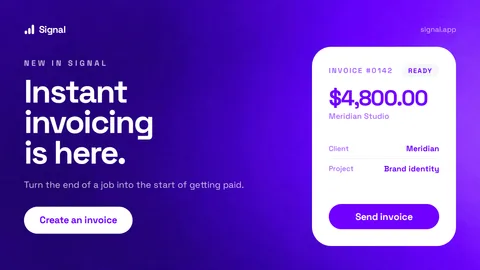


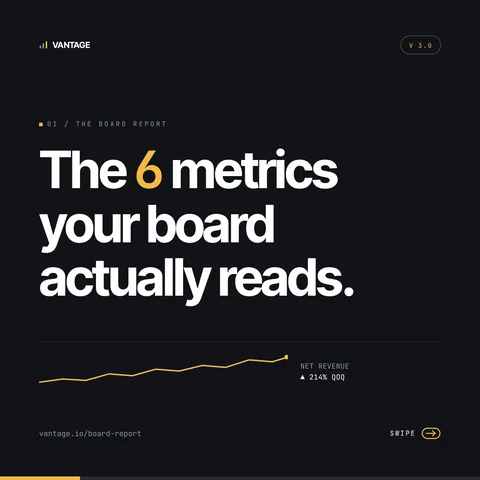



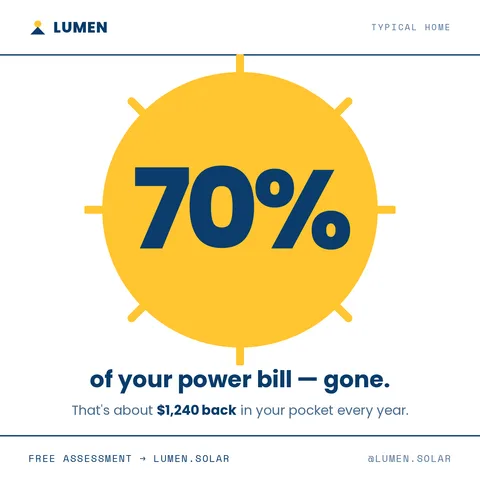

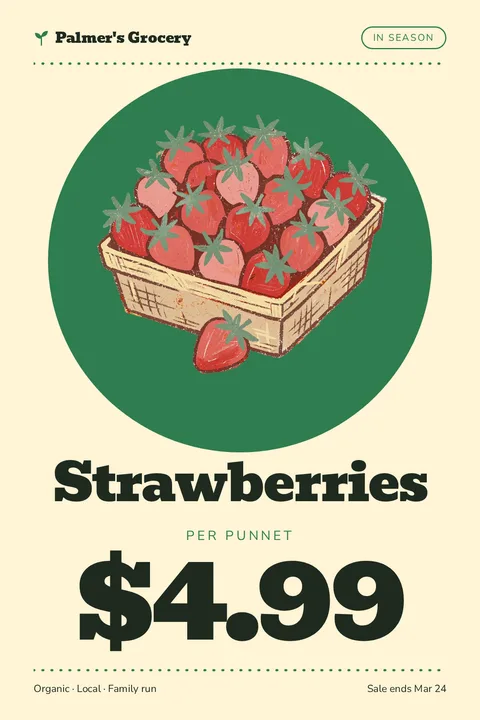
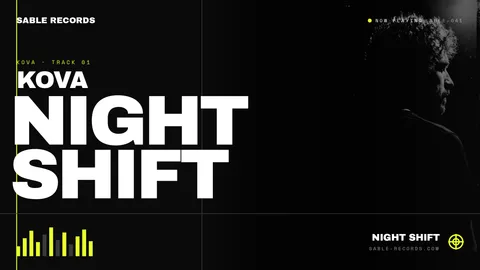

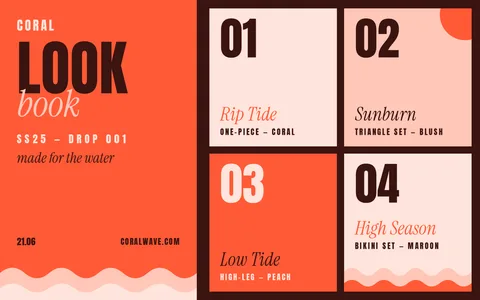










Design intelligence for your product, agent, marketing or GTM
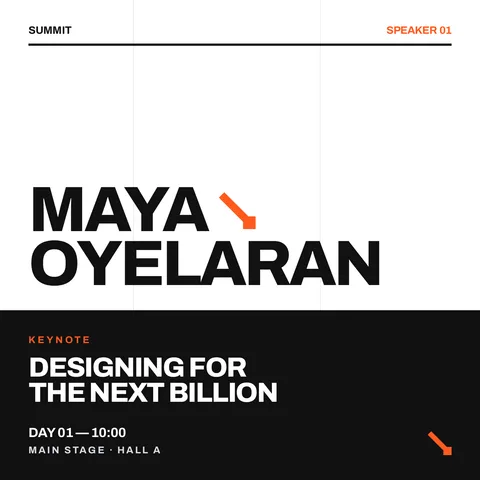
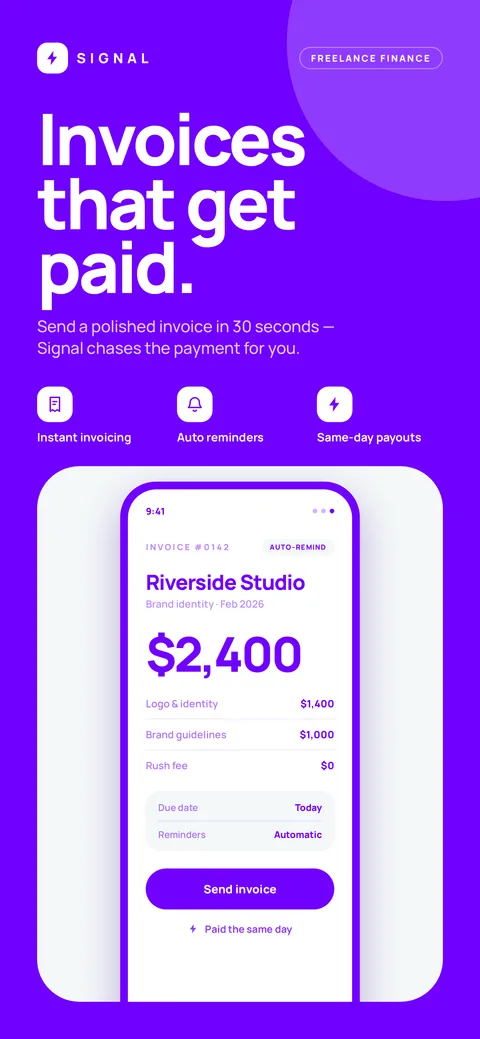
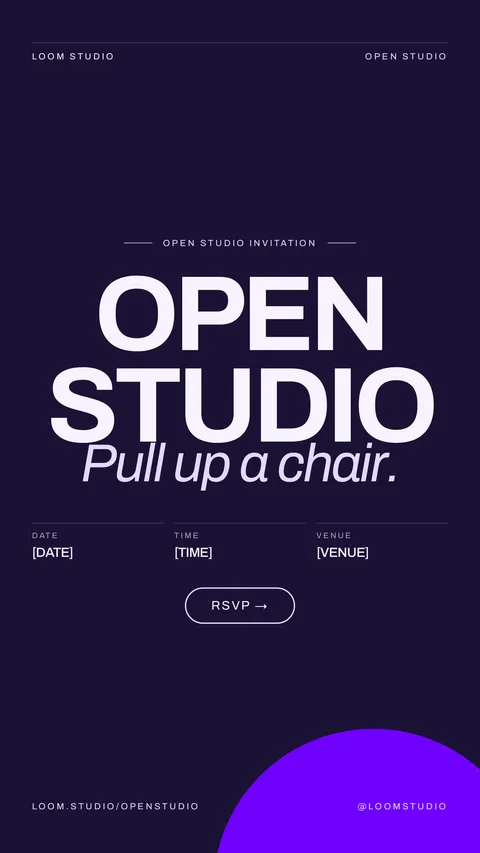
Programmatically create and manipulate on-brand designs at scale.
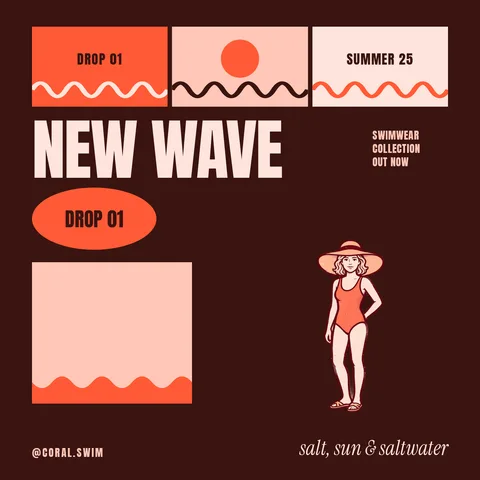
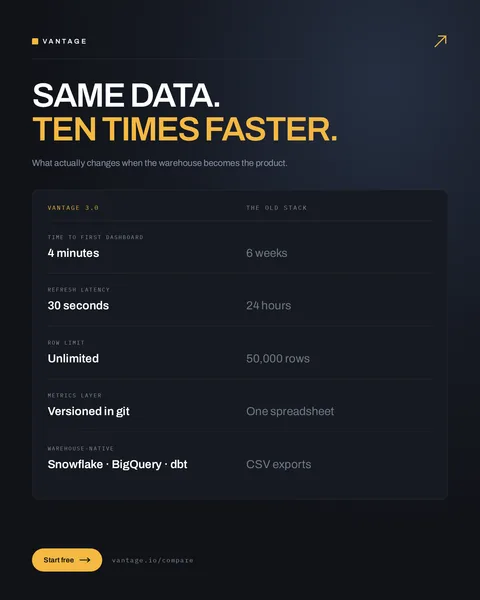
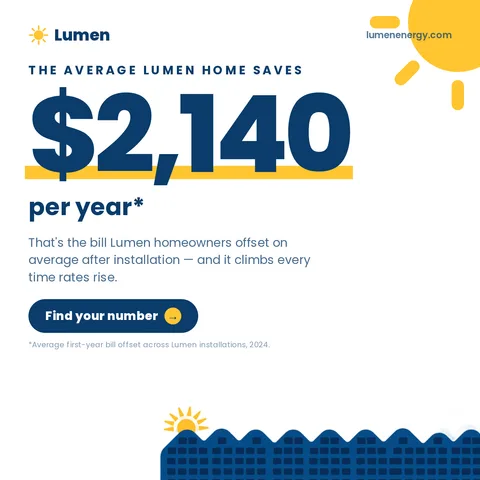
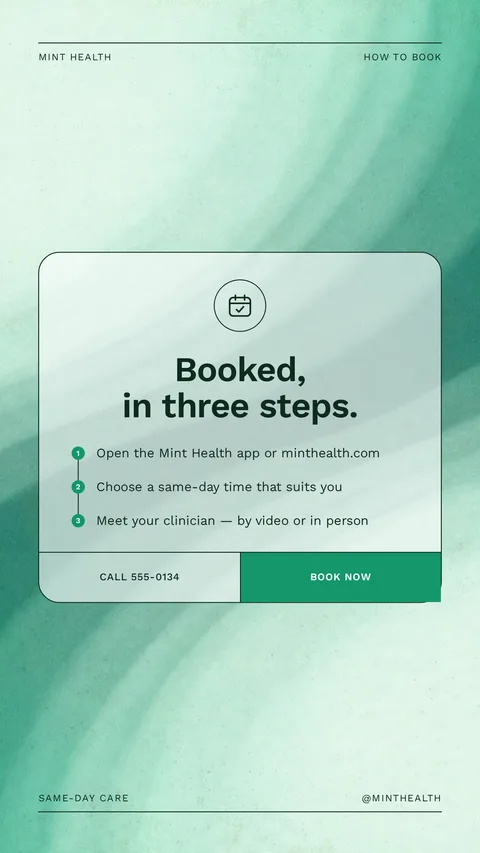
See what’s possible:
Integrate design into your existing pipelines
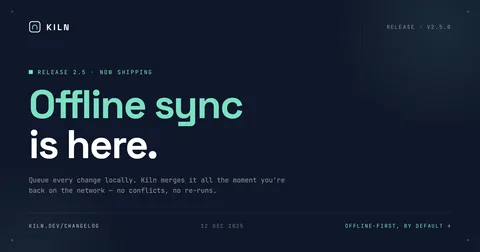
Call Rivermark from CI on every release tag and ship on-brand release assets straight from your changelog.
- Task
- Create the release asset set for the attached release log based on the attached release template. Lead with the top three changes in the changelog.
- References
- Kiln brand kitRelease · v2.5.0Offline sync, faster buildsRelease templatechangelog_v2_5_0.md
- Outputs
- OG image1200 × 630X post1600 × 900LinkedIn post1200 × 1200Changelog card1080 × 1350
- Creativity
- Stick to the references
Frontier-level design
behind a flexible API
Avoid managing your infrastructure, agent lifecycle, rendering and storage, and focus on defining high-level design tasks that your products and pipelines need.
One interface for every task
Rivermark accepts natural language instructions and can perform any design task by describing it and providing references. When your requirements change, simply rewrite the prompt.
- Adapt a reference
- Propose creatives
- Resize an asset
- Create variations
- Recreate from image
- Iterate with feedback
Built on HTML and CSS
Every design is a real HTML/CSS document. This provides exceptional consistency across asset sets and reliable, portable, and inspectable output.
.headline { font-family: "Cal Sans"; color: #2B1D14; font-size: 44px;}<h1 class="headline">Autumn roast is here</h1>Exact brand adherence
Your and your users’ fonts, hex values, logos and imagery are used verbatim. They are never approximated or redrawn.
#2B1D14Ember#C8553DOat#F3E9DCCosts that scale with the work
You pay for the work the agent does. A mechanical template fill costs much less compared to creating new designs from scratch.
The platform
Agentic design is a deep problem of its own. Behind a single call, Rivermark runs agent sessions, reads your references, renders its work, reviews it and corrects it. You get finished designs without building or running complex infrastructure or tuning your agent's performance.
What you send
- Task instructions
- Images
- Webpages
- HTML / CSS
- Text & copy
- Brand kits
- Attachments
 Agent loop
What you get back
- Final designsRendered images, exactly what you asked for
- Persistent identityEvery design stays live and ready for the next request
- What changedUser-readable summaries and list of changes
- Real-time progressImplement engaging loading states
- Real costsThe exact cost of every request
Multimodal ingestion
Provide any input file or resource, from website URLs, .zip brand guidelines to PDFs and Canva designs. Rivermark understands these formats and can read, remix, or adapt them.
Taste built-in
We invest heavily in R&D and evals to ensure that Rivermark's output is high-quality and avoids common AI design tropes.
Self-review loop
Every task goes through a review pass that catches poor legibility, overflow, clipping and invented content. These issues are caught and fixed before output reaches you.
Frequently
Asked
Questions
How is the API priced?
We price by usage. The cost of an API call depends on the size of its references, the amount of work done by the agent, and the complexity of the request. For example, creating a new design by filling in copy on a template costs a fraction of a new design.
During the demo, we are happy to go through your use cases and provide typical costs, and also offer per-request cost caps to prevent runaway requests.
What models are being used?
Rivermark uses frontier-class LLMs and state-of-the-art image generation and editing models. All rendering happens through a real browser engine, so output is deterministic HTML/CSS rather than a rasterized approximation. The specific model lineup evolves as new capabilities become production-ready.
For our enterprise customers with data residency requirements, we offer specific endpoints with direct control over the models and APIs used.
Will I get AI slop outputs?
In most cases, no. If you provide brand assets or perform Rivermark-driven brand extraction, these will be used exactly, without resorting to common tropes that AI models often choose to "fill in the blanks." You can also control creative freedom in the API, and at higher values, the harness itself is designed to catch and avoid common AI outputs and explore a wider space of possible solutions.
Isn't template filling using an AI agent inefficient?
The Rivermark agent harness is very token-efficient, and simple operations cost very little. Without agentic template filling, you introduce a variety of problems such as clipping, overflows, unclear variable substitutions and roles, and unnecessary rigidity, which are especially problematic in automated systems. Of course, if you prefer, you can use Rivermark's direct access functionality to pull the source files and render template substitutions on your side.
Since it's just HTML/CSS, is the agent capable of filling in visual imagery?
The Rivermark agent has access to AI image generation and editing tools, and knows how and when to generate images and how to incorporate them into layouts. You can restrict this behavior completely, or limit the agent to pull from stock image libraries only. The agent can always use the images in your references.
Can a design be edited after creation?
Yes, and this is a central mechanism in the Rivermark API. You can pass an existing design to issue a follow-up request or edit, and this operation is highly cost-effective. This can be used to implement quality-control loops on your side, or to give your own users direct AI editing capabilities.
What happens to our data?
By default, designs are stored permanently so you can use design IDs as persistent identifiers. Rendered output URLs are temporary, so download what you need to keep. We offer per-design time-to-live configuration and deletion endpoints.
Put design intelligence in your product
Design teams are already running Rivermark in production. We onboard new teams hands-on, one at a time, so we can offer white-glove support to each customer.
- A direct line to the people building the API
- Usage-based pricing that scales with the work
- Tuning and support for bespoke use cases